Short-form video is how Pakistani customers discover businesses in 2026. Learn how to plan Reels, TikTok and Shorts that get watched, build trust and turn viewers into customers.

Local SEO in Lahore: How to Rank on Google Maps in 2026
Want your business to show up on Google Maps in Lahore? Learn local SEO in 2026 — Google Business Profile, reviews, local keywords and the steps that put you in the Maps 3-pack.
How to Get Your Business Recommended by ChatGPT and Google AI Overviews in 2026
People now ask ChatGPT and Google AI Overviews to recommend businesses. Learn how AI search optimization (GEO) helps your business get cited and recommended in 2026.

Top 10 Best Strategies For Local SEO
Local SEO (Search Engine Optimization) is crucial for businesses aiming to attract customers in specific geographic areas. Here are the top 10 best strategies for maximizing your local SEO presence:
- Google My Business Optimization: Claim and optimize your Google My Business listing with accurate information about your business, including your name, address, phone number (NAP), business hours, website URL, and categories. Regularly update your listing with fresh content, images, and reviews to enhance visibility in local search results.
- Local Keyword Research: Conduct keyword research focusing on terms relevant to your locality, such as city names, neighborhoods, landmarks, and phrases commonly used by local customers. Integrate these keywords naturally into your website content, meta tags, and business listings to improve local search rankings.
- Localized Content Creation: Develop high-quality, localized content that resonates with your target audience and addresses their specific needs and interests. Create blog posts, articles, and landing pages that highlight local events, news, and community initiatives, demonstrating your relevance and authority within your geographic area.
- NAP Consistency Across Directories: Ensure consistency of your business name, address, and phone number (NAP) across all online directories, citation sites, and social media platforms. Inaccurate or inconsistent information can confuse search engines and potential customers, negatively impacting your local SEO efforts.
- Online Reviews Management: Encourage satisfied customers to leave positive reviews on platforms like Google My Business, Yelp, and Facebook. Respond promptly and professionally to all reviews, whether positive or negative, demonstrating your commitment to customer satisfaction and building trust with potential customers.
- Local Link Building: Earn high-quality backlinks from local websites, blogs, and directories to boost your website’s authority and credibility in local search results. Partner with local organizations, sponsor local events, or participate in community initiatives to attract relevant inbound links from authoritative sources.
- Mobile-Friendly Website Design: Optimize your website for mobile devices to provide a seamless browsing experience for users on smartphones and tablets. Ensure fast page loading times, clear navigation, and responsive design to improve user engagement and retention, factors that also influence local search rankings.
- Schema Markup Implementation: Incorporate schema markup, such as local business schema, on your website to provide search engines with structured data about your business, including your location, contact information, operating hours, and customer reviews. Schema markup helps search engines understand your content better, increasing the likelihood of appearing in relevant local search results.
- Localized Social Media Engagement: Engage with your local community on social media platforms like Facebook, Twitter, and Instagram by sharing relevant content, participating in local conversations, and promoting special offers or events. Building an active presence on social media not only strengthens your brand visibility but also signals relevance to search engines for local searches.
- Monitoring and Analytics: Regularly monitor your local SEO performance using tools like Google Analytics and Google Search Console. Track key metrics such as local search rankings, website traffic, click-through rates, and conversion rates to evaluate the effectiveness of your strategies and identify areas for improvement. Adjust your approach based on insights gleaned from data analysis to continuously optimize your local SEO efforts and stay competitive in your target market.
By implementing these top 10 strategies for local SEO, businesses can enhance their visibility, attract more qualified leads, and drive revenue growth within their local communities. Effective local SEO not only improves search engine rankings but also builds brand authority, fosters customer trust, and establishes long-term relationships with local customers, positioning businesses for sustainable success in the competitive digital landscape.

- Optimize Google My Business (GMB): Claim and verify your business listing on GMB. Ensure that all information (name, address, phone number, website URL, business hours, etc.) is accurate and up-to-date. Regularly post updates, respond to reviews, and utilize GMB features like Q&A and Google Posts.
- Local Keyword Research: Conduct thorough keyword research to identify relevant local search terms related to your business and location. Use tools like Google Keyword Planner, SEMrush, or Moz to discover high-volume, low-competition keywords that your target audience is searching for.
- On-Page Optimization: Optimize your website’s on-page elements (title tags, meta descriptions, headers, content, and URLs) with local keywords and location-specific information. Create unique, informative, and valuable content that caters to local interests and needs.
- Local Business Schema Markup: Implement Schema markup on your website to provide search engines with structured data about your business, such as name, address, phone number, business hours, reviews, and more. This helps search engines understand your business better and improve your visibility in local search results.
- Local Citations and Directories: Build consistent and accurate citations (mentions of your business name, address, and phone number) across authoritative local directories, industry-specific platforms, and social media channels. Ensure that your NAP information is consistent across all platforms to enhance trust and credibility.
- Localized Content Creation: Develop localized content that resonates with your target audience. This could include blog posts, articles, case studies, and guides tailored to address local concerns, events, trends, and interests. Incorporate local keywords naturally throughout your content.
- Mobile Optimization: Optimize your website for mobile devices to ensure seamless user experience for visitors accessing your site on smartphones and tablets. Use responsive design, optimize page speed, and implement mobile-friendly navigation to improve usability and engagement.
- Online Reviews and Reputation Management: Encourage satisfied customers to leave positive reviews on platforms like Google, Yelp, Facebook, and industry-specific review sites. Respond promptly and professionally to both positive and negative reviews to demonstrate excellent customer service and enhance your online reputation.
- Local Link Building: Build high-quality backlinks from local websites, blogs, news outlets, and community organizations to increase your website’s authority and relevance in local search results. Participate in local events, sponsor local charities, and collaborate with other businesses to earn valuable local links.
- Local Social Media Engagement: Engage with your local community on social media platforms like Facebook, Instagram, Twitter, and LinkedIn. Share relevant content, interact with followers, participate in local discussions, and promote local events to build brand awareness and foster relationships with potential customers.
- Geo-Targeted Ads: Utilize geo-targeted advertising campaigns on platforms like Google Ads, Facebook Ads, and Instagram Ads to reach local customers within specific geographic areas. Target your ads based on location, interests, demographics, and behavior to maximize relevance and effectiveness.
- Localized Landing Pages: Create dedicated landing pages for specific locations or service areas to optimize your website for local search intent. Customize content, imagery, and calls-to-action to address the needs and preferences of users in each target location.
- Monitor Local SEO Performance: Track key performance indicators (KPIs) such as local search rankings, website traffic, online visibility, conversion rates, and customer reviews. Use tools like Google Analytics, Google Search Console, and local SEO software to analyze data, identify trends, and make informed decisions to improve your local SEO strategy.
- Local Partnerships and Sponsorships: Forge partnerships with local businesses, organizations, and influencers to expand your reach and visibility within the community. Collaborate on joint promotions, events, or campaigns that benefit both parties and strengthen your local presence.
- Stay Updated with Local SEO Trends: Keep abreast of the latest developments, updates, and algorithm changes in the world of local SEO. Follow industry blogs, attend conferences, join online communities, and participate in discussions to stay informed and adapt your strategy accordingly.
By implementing these top 10 best strategies for Local SEO, businesses can enhance their online visibility, attract more local customers, and drive growth in their target markets. With a strategic and holistic approach to local SEO, businesses can establish themselves as authoritative and trustworthy brands within their local communities, ultimately leading to increased brand awareness, customer engagement, and revenue.

In conclusion, mastering the top 10 best strategies for local SEO is essential for businesses aiming to enhance their online visibility, attract more customers, and drive growth in their local market. By implementing these strategies effectively, businesses can position themselves ahead of competitors, establish authority within their niche, and cultivate a strong digital presence that resonates with local consumers. From optimizing Google My Business listings and local citations to creating high-quality, location-specific content and fostering positive online reviews, each strategy plays a crucial role in improving search engine rankings, increasing website traffic, and ultimately, driving conversions. Moreover, by staying abreast of emerging trends, algorithm updates, and best practices in local SEO, businesses can adapt their strategies to evolving market conditions, maintain a competitive edge, and achieve long-term success in the ever-changing digital landscape. So whether you’re a brick-and-mortar store, a service-based business, or an e-commerce retailer with a physical presence, investing in local SEO is a wise decision that can yield significant returns on investment and propel your business towards sustained growth and prosperity. Embrace these strategies, tailor them to suit your unique goals and objectives, and watch as your business flourishes in the local market, connecting with customers, building brand loyalty, and making a meaningful impact in your community.


10 LOCAL SEO SECRETS THAT WILL HELP TO GROW YOUR BUSINESS
In today’s competitive digital landscape, mastering local SEO (Search Engine Optimization) is crucial for businesses looking to enhance their online visibility and attract more customers from their local area. Local SEO focuses on optimizing a website to appear in search engine results when users search for local businesses or services. By implementing effective local SEO strategies, businesses can improve their rankings in local search results, drive more organic traffic to their website, and ultimately grow their customer base. In this comprehensive guide, we’ll explore 10 local SEO secrets that can help businesses unlock their full potential and achieve success in their local market.

- Optimize Your Google My Business Listing: A critical component of local SEO is claiming and optimizing your Google My Business (GMB) listing. Ensure that your GMB profile is complete and accurate, including your business name, address, phone number, website URL, business hours, and categories. Additionally, regularly update your GMB listing with new photos, posts, and reviews to keep it fresh and engaging for potential customers.
- NAP Consistency: NAP stands for Name, Address, and Phone Number. Consistency in your business’s NAP information across all online directories, listings, and citations is essential for local SEO success. Ensure that your business’s NAP information is consistent and up-to-date across platforms like Yelp, Yellow Pages, Facebook, and local business directories.
- Local Keyword Research: Conduct thorough keyword research to identify the local search terms and phrases that potential customers are using to find businesses like yours. Target keywords with local intent, such as “best pizza near me” or “plumber in [city],” and incorporate them strategically into your website content, meta tags, and GMB profile to improve your visibility in local search results.
- Create Localized Content: Develop high-quality, localized content that resonates with your target audience and addresses their specific needs and interests. Consider creating blog posts, articles, case studies, and guides that highlight local events, news, and attractions in your area. By providing valuable, location-specific content, you can attract local visitors to your website and establish yourself as a trusted authority in your community.
- Online Reviews and Reputation Management: Online reviews play a significant role in influencing consumer purchasing decisions and search engine rankings. Encourage satisfied customers to leave positive reviews on platforms like Google, Yelp, and Facebook, and promptly respond to any negative reviews with empathy and professionalism. Managing your online reputation effectively can help build trust with potential customers and improve your local search visibility.
- Local Link Building: Earn backlinks from reputable local websites, directories, and publications to boost your website’s authority and credibility in the eyes of search engines. Reach out to local businesses, organizations, and influencers for collaboration opportunities, sponsorships, or guest blogging opportunities that can help you acquire valuable backlinks and increase your local search rankings.
- Mobile Optimization: With the increasing use of mobile devices for local searches, optimizing your website for mobile is essential for local SEO success. Ensure that your website is mobile-friendly, loads quickly, and provides a seamless user experience across all devices. Mobile-optimized websites are more likely to rank higher in local search results and attract mobile users looking for nearby businesses.
- Schema Markup: Implement schema markup on your website to provide search engines with structured data about your business, such as your name, address, phone number, business hours, and customer reviews. Schema markup helps search engines understand your content better and can improve your visibility in local search results, particularly in featured snippets, knowledge panels, and rich snippets.
- Local Social Media Engagement: Engage with your local community on social media platforms like Facebook, Instagram, and Twitter to build brand awareness, foster relationships with customers, and promote your products or services. Share local-centric content, participate in local events and conversations, and encourage user-generated content to create a sense of community around your brand.
- Monitor and Analyze Your Local SEO Performance: Regularly monitor your local SEO performance using tools like Google Analytics, Google Search Console, and third-party SEO software. Track key metrics such as organic traffic, rankings, click-through rates, and conversions to assess the effectiveness of your local SEO efforts. Analyze the data to identify areas for improvement and refine your local SEO strategy accordingly.

In conclusion, mastering local SEO is essential for businesses looking to thrive in their local market and attract more customers online. By implementing these 10 local SEO secrets, businesses can improve their online visibility, drive targeted traffic to their website, and ultimately grow their business locally.
In today’s digital age, having a strong online presence is crucial for the success of any business, especially for those targeting local customers. Local search engine optimization (SEO) plays a vital role in ensuring that your business is visible to potential customers in your area when they search for products or services related to your industry. While the fundamentals of SEO remain consistent, there are specific strategies and techniques tailored for local businesses that can significantly impact their online visibility and success. In this guide, we’ll uncover 10 local SEO secrets that will help grow your business and attract more customers to your doorstep.

- Claim and Optimize Your Google My Business Listing:
One of the most critical steps in local SEO is claiming and optimizing your Google My Business (GMB) listing. This free tool allows you to manage how your business appears on Google Search and Maps. Ensure that your GMB profile is complete and accurate, including your business name, address, phone number, website URL, business hours, and categories. Add high-quality photos of your business, products, and services to attract potential customers visually. Encourage satisfied customers to leave positive reviews, as they can boost your visibility and credibility in local search results. - Optimize Your Website for Local Keywords:
To rank well in local search results, it’s essential to optimize your website for local keywords related to your products, services, and location. Conduct keyword research to identify relevant terms that potential customers are likely to use when searching for businesses like yours. Incorporate these keywords naturally into your website’s meta tags, headings, content, and URLs. Focus on long-tail keywords that include your city, neighborhood, or region to target local searchers more effectively. By optimizing your website for local keywords, you can increase your chances of appearing in local search results for relevant queries. - Build and Maintain Consistent NAP Citations:
NAP citations (Name, Address, Phone number) are mentions of your business’s contact information on external websites, directories, and online platforms. Consistent NAP citations are essential for establishing trust and authority with search engines and potential customers. Ensure that your business’s NAP information is consistent across all online listings, including your website, social media profiles, local directories, and review sites. Inaccurate or inconsistent NAP citations can confuse search engines and lead to lower rankings in local search results. Regularly audit and update your NAP citations to maintain accuracy and consistency. - Encourage Customer Reviews and Respond Promptly:
Online reviews are a critical factor in local SEO and can significantly impact your business’s reputation and visibility. Encourage satisfied customers to leave positive reviews on your Google My Business listing and other relevant review sites. Respond promptly to both positive and negative reviews to show that you value customer feedback and are committed to providing excellent service. Address any negative feedback or complaints professionally and courteously, demonstrating your willingness to resolve issues and improve the customer experience. Positive reviews can enhance your credibility and attract more customers, while responding to reviews shows engagement and responsiveness, which can positively influence search rankings. - Leverage Local Link Building Opportunities:
Building high-quality backlinks from local websites and online directories can boost your business’s visibility and authority in local search results. Seek out opportunities to collaborate with local organizations, charities, and community events that are relevant to your industry. Sponsor local events, participate in community initiatives, or host workshops or seminars to establish your business as a valuable resource in your area. Reach out to local bloggers, journalists, and influencers to share your expertise and contribute guest posts or articles to local publications. By earning links from reputable local sources, you can improve your website’s authority and relevance for local search queries. - Optimize Your Website for Mobile Devices:
With the increasing use of smartphones and mobile devices, optimizing your website for mobile users is essential for local SEO success. Ensure that your website is mobile-friendly and responsive, meaning it adapts seamlessly to different screen sizes and devices. Google prioritizes mobile-friendly websites in its search rankings, so having a responsive design is crucial for maintaining visibility in local search results. Improve page load times, simplify navigation, and prioritize essential information to create a positive user experience for mobile visitors. By providing a seamless mobile experience, you can attract and retain more local customers who are searching for products or services on the go. - Create Locally Relevant Content:
Creating locally relevant content is an effective way to engage with your target audience and demonstrate your expertise in your area. Develop content that addresses the unique needs, interests, and challenges of local customers. Write blog posts, articles, or guides that highlight local events, attractions, and businesses or provide tips and recommendations specific to your location. Incorporate local keywords, landmarks, and neighborhood names naturally into your content to improve its relevance for local search queries. By producing valuable and informative content tailored to your local audience, you can attract more visitors to your website and establish yourself as a trusted resource in your community. - Use Local Structured Data Markup:
Structured data markup, also known as schema markup, provides search engines with additional context about your website’s content, making it easier for them to understand and index your pages. Implementing local structured data markup can help search engines display relevant information about your business in local search results, such as your address, phone number, business hours, and customer reviews. Use schema markup to mark up your NAP information, business type, service areas, and other relevant details on your website. By providing search engines with accurate and structured data, you can enhance your visibility and relevance in local search results. - Monitor Your Local SEO Performance:
Regularly monitor and analyze your local SEO performance to track your progress, identify areas for improvement, and capitalize on opportunities. Use tools like Google Analytics, Google Search Console, and local SEO platforms to track key metrics such as website traffic, rankings, impressions, clicks, and conversions. Monitor your GMB insights to understand how customers find and interact with your business online, including search queries, discovery searches, and actions taken on your listing. Analyze your competitors’ local SEO strategies and performance to benchmark your progress and identify areas where you can gain a competitive edge. By staying informed about your local SEO performance, you can make data-driven decisions to optimize your strategy and maximize your results. - Stay Up to Date with Local SEO Trends and Best Practices:
The field of local SEO is constantly evolving, with search engines regularly updating their algorithms and guidelines to improve search results for users. Stay informed about the latest local SEO trends, updates, and best practices to ensure that your business remains competitive and visible in local search results. Follow industry blogs, attend webinars, and participate in local SEO forums to stay up to date with the latest developments and insights. Implement new strategies and tactics as needed to adapt to changes in the local search landscape and maintain your competitive edge. By staying informed and proactive, you can position your business for long-term success and growth in your local market.

In conclusion, local SEO is a powerful strategy for businesses looking to attract more customers and grow their presence in their local area. By implementing these 10 local SEO secrets, you can improve your online visibility, attract more qualified leads, and drive more foot traffic to your business. Whether you’re a small local business or a multi-location enterprise, optimizing your website and online presence for local search can help you stand out from the competition and connect with customers in your community.
ABOUT SEO:
SEO, or Search Engine Optimization, is the process of optimizing a website to increase its visibility and rank higher in search engine results pages (SERPs). It involves various strategies and techniques aimed at improving the quality and quantity of website traffic by enhancing its relevance and authority in the eyes of search engines like Google, Bing, and Yahoo. SEO is crucial for businesses and website owners because it helps drive organic (unpaid) traffic to their sites, resulting in higher visibility, more leads, and increased revenue.
There are two main components of SEO: on-page optimization and off-page optimization. On-page optimization involves optimizing elements within a website, such as content, meta tags, headings, and images, to make it more search engine friendly and relevant to target keywords and topics. Off-page optimization, on the other hand, focuses on activities outside the website, such as building backlinks from other reputable sites, social media marketing, and online reputation management, to improve the website’s authority and credibility.

Key aspects of SEO include keyword research, content creation, website structure and navigation, mobile optimization, site speed, user experience (UX), and technical SEO. Keyword research helps identify the terms and phrases that potential visitors are using to search for products or services related to a business, allowing website owners to create content that addresses their needs and interests. Content creation involves producing high-quality, relevant, and valuable content that engages users and encourages them to stay on the site longer and return for more.
Website structure and navigation play a crucial role in ensuring that search engines can crawl and index the site effectively, while mobile optimization ensures that the site is accessible and user-friendly on various devices, such as smartphones and tablets. Site speed, UX, and technical SEO focus on improving the overall performance and usability of the website, which can impact its rankings in search results.
In addition to organic search, SEO also encompasses local SEO, which targets specific geographic locations to attract customers in a particular area, and voice search optimization, which optimizes content for voice-activated search queries performed through devices like smartphones and smart speakers.
Overall, SEO is an ongoing process that requires continuous monitoring, analysis, and optimization to keep up with changing search algorithms and user behavior. By investing in SEO, businesses can improve their online visibility, attract more targeted traffic, and ultimately achieve their marketing and business goals.

Enhance Your Online Presence with Effective SEO Techniques
In the ever-expanding digital landscape, having a robust online presence is crucial for businesses looking to connect with their target audience and thrive in the competitive market. Search Engine Optimization (SEO) stands as a cornerstone for enhancing online visibility, driving organic traffic, and establishing authority in search engine rankings. This article explores five effective SEO techniques that businesses can leverage to significantly enhance their online presence and maximize the impact of their digital efforts.
1-Keyword Research and Optimization
Keyword research is the foundation of any successful SEO strategy. Understanding the terms and phrases your target audience uses when searching for products or services is essential for optimizing your online content. Begin by identifying relevant and high-volume keywords related to your business.
- Long-Tail Keywords: In addition to broad keywords, focus on long-tail keywords—more specific phrases that capture user intent accurately. Long-tail keywords often have less competition, making it easier to rank for them.
- Local Keywords: For businesses with a local presence, incorporating location-specific keywords is crucial. This ensures that your content is optimized for local search queries, helping you reach your target audience in specific geographic areas.
Once you’ve identified your target keywords, strategically integrate them into your website content, meta titles, meta descriptions, and headers. However, it’s essential to maintain a natural and user-friendly tone, avoiding keyword stuffing, which can negatively impact user experience and SEO rankings.
Effective keyword optimization ensures that search engines can easily understand the relevance of your content to user queries, ultimately improving your website’s visibility in search results.

2-Content Quality and Relevance
Creating high-quality, relevant, and engaging content is a cornerstone of effective SEO. Search engines, particularly Google, prioritize content that provides value to users. By consistently delivering valuable information, businesses can establish themselves as authorities in their industry and improve their online presence.
- Comprehensive Content: Develop comprehensive and informative content that addresses the needs and questions of your target audience. This can include blog posts, articles, infographics, videos, and other multimedia elements that enrich the user experience.
- User Intent Optimization: Understand the intent behind user queries and optimize your content accordingly. Provide solutions to user problems, answer common questions, and address pain points to create content that aligns with user intent.
- Fresh and Regular Updates: Regularly update your website with fresh content. Search engines favor websites that demonstrate ongoing relevance and commitment to providing up-to-date information. This could involve creating new blog posts, updating existing content, or adding new pages to your website.
By consistently producing high-quality, relevant content, businesses can attract and retain a loyal audience, improve user engagement metrics, and signal to search engines that their website deserves a higher rank in search results.
3-Technical SEO Optimization
Beyond content, technical aspects play a crucial role in determining your website’s SEO performance. Technical SEO focuses on optimizing the underlying structure and functionality of your site to enhance its crawlability, indexability, and overall search engine friendliness.
- Website Speed Optimization: Page loading speed is a critical factor in both user experience and SEO. Slow-loading websites can lead to higher bounce rates and lower rankings. Optimize images, leverage browser caching, and invest in a reliable hosting provider to enhance your website’s speed.
- Mobile Optimization: With the increasing use of mobile devices, optimizing your website for mobile responsiveness is imperative. Google prioritizes mobile-friendly websites in its rankings, so ensure that your site provides a seamless experience across various devices.
- Crawlability and Indexability: Ensure that search engines can easily crawl and index your website by creating a sitemap, optimizing your website’s robots.txt file, and fixing crawl errors. This ensures that search engines can access and understand your content, improving your chances of ranking higher in search results.
- Structured Data Markup: Implement structured data markup (schema markup) to provide additional context to search engines about your content. This can enhance the appearance of your search results, potentially increasing click-through rates.
Technical SEO optimizations lay the groundwork for improved search engine visibility, ensuring that your website is not hindered by technical issues that may otherwise affect its performance.
4-Link Building Stratgeties
Link building remains a fundamental aspect of SEO, emphasizing the importance of building a network of quality backlinks to your website. Backlinks, or inbound links from other reputable websites, act as a vote of confidence for your content, signaling to search engines that your site is a reliable source of information.
- Quality Over Quantity: Prioritize quality over quantity when building backlinks. High-authority, relevant websites that link to your content carry more weight than a multitude of low-quality links. Focus on earning backlinks from reputable sources within your industry.
- Guest Posting: Contribute guest posts to authoritative websites within your niche. This not only helps you showcase your expertise but also allows you to secure valuable backlinks to your own content. Ensure that your guest posts provide genuine value to the target audience.
- Internal Linking: Strategically use internal links to connect various pages within your website. Internal linking not only improves navigation for users but also distributes link equity throughout your site, boosting the authority of individual pages.
- Monitor and Disavow Low-Quality Links: Regularly monitor your backlink profile using tools like Google Search Console. If you identify low-quality or spammy links, use the disavow tool to signal to search engines that you disassociate your site from these undesirable links.
A well-executed link building strategy enhances your website’s authority, credibility, and visibility in search results.
5-User Experience and Engagement
User experience (UX) is a critical factor that directly influences how search engines perceive your website. Google, in particular, places a high emphasis on delivering results that provide a positive experience for users. Focusing on improving UX can positively impact your search engine rankings.
- Mobile-Friendly Design: As mentioned earlier, having a mobile-friendly website is essential for both SEO and user experience. Ensure that your website’s design is responsive and adapts seamlessly to various screen sizes.
- Intuitive Navigation: Make your website easy to navigate. Clear menus, well-structured content, and a logical hierarchy contribute to a positive user experience. Users should be able to find the information they’re looking for with minimal effort.
- Page Readability and Accessibility: Optimize your content for readability. Use clear headings, concise paragraphs, and legible fonts. Additionally, ensure that your website is accessible to users with disabilities, following accessibility guidelines and standards.
- Reduce Bounce Rates: High bounce rates can negatively impact your SEO. Keep users engaged by providing valuable content, optimizing page load times, and implementing effective calls-to-action to encourage further exploration of your site.
- Social Signals: While the direct impact of social signals on SEO is debated, there is a correlation between social engagement and improved search rankings. Encourage social sharing, comments, and other forms of user interaction to signal to search engines that your content is valuable and engaging.
Prioritizing user experience and engagement not only aligns with search engine algorithms but also establishes a positive brand perception, contributing to the long-term success of your online presence.
Conclusion:
In the competitive digital landscape, enhancing your online presence requires a multifaceted approach that incorporates effective SEO techniques. By conducting thorough keyword research, creating high-quality content, optimizing technical aspects, building authoritative backlinks, and prioritizing user experience, businesses can significantly improve their search engine visibility and establish a strong online presence.


Top 10 SEO Strategies Tailored for Pakistan
In the ever-evolving landscape of digital marketing, search engine optimization (SEO) stands as a cornerstone for online success. For businesses operating in Pakistan, a country with its own unique market dynamics and consumer behaviors, crafting SEO strategies tailored to the local context is imperative. This article explores the top 10 SEO strategies specifically customized for Pakistan, taking into account the nuances of the Pakistani digital landscape.
1-Localized Keyword Research
Effective SEO begins with understanding the language and search behavior of the local audience. Conducting thorough keyword research specific to Pakistan ensures that the content aligns with the terms and phrases that users in the region commonly use. This includes not only the primary language, Urdu, but also accounting for regional dialects and variations in search queries.

2-Optimizing for Urdu Language
Given that Urdu is the official language and widely spoken across Pakistan, optimizing content for Urdu search queries is essential. This involves creating content in Urdu, incorporating relevant keywords, and ensuring that the website is accessible to users who prefer browsing in the Urdu language. Google’s algorithms are increasingly adept at understanding and ranking content in non-English languages, further emphasizing the importance of Urdu optimization.
3-Local SEO and Google My Business
Local search optimization is critical for businesses serving specific geographic areas in Pakistan. Claiming and optimizing a Google My Business (GMB) listing is a key step. This includes providing accurate business information, adding high-quality images, and encouraging positive customer reviews. Local SEO efforts increase visibility in local search results, making it easier for potential customers in Pakistan to find and engage with the business.
4-Mobile-First Optimization
Pakistan has experienced a significant surge in mobile device usage, with a substantial portion of the population accessing the internet through smartphones. Optimizing websites for mobile devices is, therefore, a crucial SEO strategy. Responsive design, fast-loading mobile pages, and mobile-friendly content contribute to a positive user experience, which not only satisfies visitors but also aligns with Google’s mobile-first indexing approach.
5-Content Localization and Cultural Relevance
Tailoring content to the cultural nuances of Pakistan is a strategy that resonates with local audiences. Understanding local customs, traditions, and preferences allows businesses to create content that is not only linguistically appropriate but also culturally relevant. This not only enhances the user experience but also contributes to higher engagement and increased trust among the target audience.
6-Backlink Building with Local Authority
Building a strong backlink profile is fundamental to SEO success. In the context of Pakistan, focusing on acquiring backlinks from locally relevant and authoritative sources is crucial. Collaborating with Pakistani websites, industry influencers, and local publications can boost the website’s credibility and improve its ranking in search engine results pages (SERPs).
7-Social Media Integration
Social media plays a significant role in the online landscape of Pakistan. Integrating SEO efforts with a robust social media strategy is a powerful combination. Sharing content on popular social media platforms like Facebook, Twitter, and Instagram not only drives traffic but also contributes to social signals that can positively impact search engine rankings.
8-Long-Tail Keywords for Specific Niches
Understanding the diversity of interests and preferences in Pakistan, businesses should incorporate long-tail keywords that cater to specific niches. Long-tail keywords are more specific and often have lower competition, making it easier to rank for particular queries. This strategy allows businesses to capture the attention of a targeted audience interested in specific products or services.
9-Optimizing for Voice Search
The adoption of voice search is on the rise globally, and Pakistan is no exception. Optimizing content for voice search queries, which often differ from text-based searches, can provide a competitive advantage. Considering the colloquial nature of spoken language in Pakistan, businesses should tailor their SEO strategy to align with how people naturally ask questions verbally.
10-Regular Local SEO Audits and Adaptation
The digital landscape, including search algorithms, user behavior, and competitors, is constantly evolving. Regular local SEO audits are essential to ensure that a website’s SEO strategy remains effective and aligned with current best practices. Staying informed about algorithm updates and making timely adjustments allows businesses in Pakistan to maintain a strong online presence.


“Anticipating the Future of SEO in Pakistan”
Anticipating the Future of SEO in Pakistan:
Search Engine Optimization (SEO) plays a pivotal role in the digital landscape, shaping the visibility and success of businesses online. As Pakistan’s digital ecosystem continues to evolve, anticipating the future of SEO becomes crucial for businesses aiming to thrive in the competitive online space. This comprehensive exploration delves into the key trends and shifts that are likely to shape the future of SEO in Pakistan.
1. Mobile-First Indexing:
With the proliferation of smartphones and increasing mobile internet usage in Pakistan, search engines are prioritizing mobile-first indexing. Google, in particular, has shifted its primary focus to the mobile versions of websites for indexing and ranking. To stay relevant in the evolving SEO landscape, businesses in Pakistan need to ensure their websites are not only mobile-friendly but offer a seamless and optimized experience for users on various devices.
2. Local SEO Dominance:
Local SEO is poised to play a significant role as businesses recognize the importance of targeting local audiences. This is especially relevant in Pakistan, where consumer behavior is often influenced by local preferences. Optimizing for local search, including Google My Business optimization, local keywords, and location-based content, will be integral for businesses seeking to enhance their visibility in specific regions across Pakistan.
3. Voice Search Revolution:
The rise of voice-activated devices and the increasing popularity of voice search applications are reshaping how users interact with search engines. In Pakistan, where a diverse linguistic landscape exists, optimizing for voice search becomes more intricate. Future SEO strategies will need to account for conversational queries, long-tail keywords, and a deeper understanding of the nuances in spoken language to align with the voice search revolution.
4. Content Relevance and User Intent:
As search engines become more sophisticated, the emphasis on content relevance and user intent will continue to grow. Crafting high-quality, valuable content that precisely meets user needs will be paramount. This involves understanding the intent behind search queries and tailoring content to provide comprehensive answers, solutions, or information. In Pakistan, where diverse languages are spoken, creating content that resonates across linguistic and cultural nuances will be essential.
5. Artificial Intelligence (AI) Integration:
AI is increasingly becoming a driving force in SEO, with search engines employing machine learning algorithms to enhance user experience. In Pakistan, businesses will need to leverage AI for more personalized and predictive content strategies. AI-driven tools for keyword analysis, content generation, and user behavior prediction will be crucial for staying ahead in the SEO game.
6. Video Content Optimization:
The consumption of video content is rising globally, and Pakistan is no exception. Optimizing video content for search engines will be a key trend in the future of SEO. This includes creating engaging and relevant video content, optimizing video titles and descriptions, and incorporating video transcripts to enhance search engine understanding. Video SEO will play a vital role in reaching audiences across diverse demographics in Pakistan.
7. E-A-T (Expertise, Authoritativeness, Trustworthiness):
Google’s E-A-T principle has become a guiding factor in search rankings. Establishing expertise, authoritativeness, and trustworthiness in content will be essential for businesses in Pakistan. This involves showcasing industry expertise, building authoritative backlinks, and maintaining a trustworthy online presence. Businesses that prioritize E-A-T will not only rank higher in search results but also foster credibility among Pakistani users.
8. Technical SEO Advancements:
The technical aspects of SEO, including website speed, mobile responsiveness, and structured data, will continue to be critical. Search engines prioritize websites that offer a seamless and technically sound user experience. In Pakistan, where internet connectivity can vary, optimizing for faster loading times and ensuring compatibility across devices will be vital for SEO success.
9. Blockchain Technology Impact:
Blockchain technology has the potential to impact SEO by providing transparent and secure verification of online data. In Pakistan, where issues of online trust and security are significant, the integration of blockchain in SEO practices may enhance the credibility of websites. This includes secure handling of user data, preventing fraud, and ensuring the integrity of online information.
10. Augmented Reality (AR) and Virtual Reality (VR) Integration:
The future of SEO may witness the integration of AR and VR elements. While these technologies are still emerging, businesses in Pakistan can prepare for this shift by considering how AR and VR experiences can be optimized for search engines. This includes creating immersive and interactive content that aligns with evolving user expectations.
In conclusion, the future of SEO in Pakistan holds exciting possibilities and challenges. Adapting to mobile-first indexing, prioritizing local SEO, embracing the voice search revolution, creating relevant and AI-driven content, optimizing video content, focusing on E-A-T principles, advancing technical SEO, considering blockchain impacts, and preparing for AR and VR integration are all essential components of a forward-looking SEO strategy. By anticipating and aligning with these trends, businesses in Pakistan can not only navigate the evolving digital landscape but also position themselves for sustained visibility, relevance, and success in the online realm.

A SMALL GUIDE FOR SEO:
“Anticipating the Future of SEO in Pakistan” holds a treasure trove of secret tips that businesses can leverage to ensure growth in the dynamic digital landscape. One key strategy lies in embracing mobile-first indexing, recognizing the surge in smartphone usage in Pakistan. Ensuring that websites are not just mobile-friendly but also optimized for a seamless experience across devices is pivotal for staying ahead in search engine rankings. Another clandestine tip revolves around the dominance of local SEO, acknowledging the significance of catering to local audiences in a diverse country like Pakistan. Businesses can unlock growth by optimizing for local search, encompassing Google My Business optimization, local keywords, and crafting content that aligns with regional preferences.
The voice search revolution unveils itself as a covert weapon for SEO success. With the rise of voice-activated devices, businesses should tailor their strategies to accommodate conversational queries, long-tail keywords, and linguistic nuances, ensuring they are well-prepared for the evolving search landscape in Pakistan. Content relevance and understanding user intent emerge as clandestine allies in SEO. Crafting high-quality, valuable content that precisely meets user needs, coupled with an in-depth understanding of user intent behind search queries, will be key to outmaneuvering competitors.
Artificial Intelligence (AI) integration surfaces as a secret weapon, offering businesses in Pakistan a competitive edge. Leveraging AI-driven tools for keyword analysis, content generation, and predicting user behavior can enhance the personalization and effectiveness of SEO strategies. Video content optimization, often overlooked, is another clandestine tactic. As video consumption rises in Pakistan, optimizing video content for search engines becomes paramount. This includes creating engaging videos, optimizing titles and descriptions, and incorporating transcripts.
The E-A-T (Expertise, Authoritativeness, Trustworthiness) principle emerges as a covert guide to SEO success. Establishing industry expertise, building authoritative backlinks, and maintaining a trustworthy online presence become essential to climb the ranks in search results. Lastly, businesses can deploy technical SEO advancements as a secret strategy. Focusing on website speed, mobile responsiveness, and structured data ensures a technically sound user experience, boosting visibility.
In this clandestine journey of SEO in Pakistan’s future, businesses that unravel the secrets of mobile optimization, local SEO dominance, voice search adaptation, content relevance, AI integration, video optimization, E-A-T principles, and technical advancements will be the trailblazers, achieving sustained growth and prominence in the ever-evolving digital sphere. Partnering with these secret strategies positions businesses not only to anticipate but also to lead the future of SEO in Pakistan.

“The Impact of SEO on Small Businesses in Pakistan”

Introduction:
In the digital age, small businesses in Pakistan face a unique set of challenges and opportunities. One potent tool that can significantly influence their growth trajectory is Search Engine Optimization (SEO). This blog explores the profound impact of SEO on small businesses in Pakistan, shedding light on how strategic optimization can unlock new avenues for visibility, customer acquisition, and sustained success.

1.Enhanced Online Visibility

Enhanced online visibility is a critical aspect of digital success for businesses in today’s interconnected world. It refers to the degree to which a brand, company, or individual is easily discoverable and prominent across various online platforms. The goal is to increase the likelihood of being found by the target audience when they conduct online searches, engage in social media activities, or explore digital channels. Here are some key components and strategies associated with enhancing online visibility:
- Search Engine Optimization (SEO):
SEO is a fundamental element of online visibility. It involves optimizing a website’s content, structure, and technical aspects to rank higher in search engine results. This includes using relevant keywords, creating high-quality content, and ensuring the website is technically sound for search engine crawlers. - Content Marketing:
Content plays a pivotal role in online visibility. Creating valuable, relevant, and shareable content not only attracts and engages the audience but also contributes to better search engine rankings. Content marketing includes blog posts, articles, videos, infographics, and other formats that resonate with the target audience. - Social Media Presence:
Establishing a strong presence on popular social media platforms is crucial for enhanced online visibility. Social media channels provide opportunities to connect with the audience, share content, and build a community around the brand. Consistent and strategic social media engagement can boost brand awareness and visibility. - Local SEO for Geographic Relevance:
For businesses with a local focus, optimizing for local search is essential. This involves creating and optimizing Google My Business profiles, obtaining positive local reviews, and using location-specific keywords. Local SEO tactics ensure that businesses show up in relevant searches within their geographic area. - Online Reviews and Reputation Management:
Positive online reviews contribute significantly to online visibility. Encourage satisfied customers to leave reviews on platforms such as Google, Yelp, or industry-specific review sites. Managing online reputation, addressing negative feedback, and maintaining a positive digital image enhance trust and visibility. - Mobile Optimization:
With the increasing use of mobile devices, optimizing for mobile is imperative. Google and other search engines prioritize mobile-friendly websites in their rankings. A responsive design ensures that websites are accessible and user-friendly across various devices, contributing to enhanced online visibility. - Guest Blogging and Backlink Building:
Collaborating with other websites and contributing guest posts can increase backlinks to a website. Backlinks from reputable sources are seen as a vote of confidence by search engines, positively impacting search rankings and overall online visibility. - Email Marketing Campaigns:
Email marketing remains a powerful tool for maintaining and enhancing online visibility. Regularly sending targeted and valuable content to subscribers not only keeps the brand top of mind but also encourages repeat visits to the website. - Strategic Online Advertising:
Paid online advertising, such as Google Ads or social media advertising, can be a strategic investment for immediate visibility. Targeted ads ensure that the brand reaches the right audience, contributing to enhanced online visibility and brand recognition. - Monitoring Analytics and Adjusting Strategies:
Utilizing analytics tools to monitor website traffic, user behavior, and conversion rates is crucial. Regularly analyzing these metrics helps businesses understand the effectiveness of their strategies and make informed adjustments to continually enhance online visibility.
In summary, enhanced online visibility is a multifaceted effort that requires a combination of SEO, content marketing, social media engagement, and strategic initiatives. By implementing a comprehensive online visibility strategy, businesses can increase their digital footprint, reach a wider audience, and ultimately achieve greater success in the online landscape.

Affordable Marketing:

“Affordable Marketing for Small Budgets” refers to a set of strategies and approaches that small businesses with limited financial resources can implement to promote their products or services without breaking the bank. While traditional advertising channels may require substantial budgets, affordable marketing focuses on cost-effective methods that still deliver impactful results. Here are some key elements and strategies for small businesses looking to engage in affordable marketing:
- Digital Marketing:
Digital marketing is a cost-effective avenue for small businesses to reach their target audience. Utilizing social media platforms, email marketing, and content creation are all ways to engage customers online without the hefty costs associated with traditional advertising. - Social Media Engagement:
Building a strong presence on social media platforms is an affordable way to connect with customers. Regularly sharing engaging content, responding to comments, and running targeted campaigns can enhance brand visibility without significant financial investment. - Content Marketing:
Content marketing involves creating valuable and relevant content to attract and engage a target audience. Small businesses can leverage blogs, videos, and infographics to showcase their expertise, answer customer questions, and generate organic traffic to their websites. - Email Marketing:
Email marketing is a cost-effective method to stay in touch with existing customers and nurture leads. Sending newsletters, promotional offers, and personalized content can help businesses maintain customer relationships and encourage repeat business. - Local Partnerships and Collaborations:
Forming partnerships with other local businesses can be a mutually beneficial strategy. Cross-promotions and collaborations help expand the reach of both businesses without incurring significant expenses. - Search Engine Optimization (SEO):
Implementing basic SEO practices can improve a business’s online visibility without the need for paid advertising. Optimizing website content, using relevant keywords, and obtaining quality backlinks are affordable ways to enhance search engine rankings. - Utilizing Free Online Tools:
There are numerous free or low-cost online tools that small businesses can leverage for marketing purposes. From social media management tools to graphic design platforms, these resources can help streamline marketing efforts without a hefty price tag. - Word-of-Mouth Marketing:
Encouraging satisfied customers to spread the word about the business is a powerful and free marketing strategy. Positive reviews, testimonials, and word-of-mouth referrals can significantly impact a small business’s reputation and customer acquisition. - DIY Design and Creativity:
Small businesses can save money on design by using do-it-yourself (DIY) tools for creating marketing materials. Online platforms offer templates and easy-to-use design tools that enable businesses to produce professional-looking graphics without the need for expensive designers. - Local Events and Sponsorships:
Participating in or sponsoring local events can provide exposure to the community without large marketing expenditures. This involvement not only supports community initiatives but also puts the business in front of potential customers.
In conclusion, affordable marketing for small budgets involves leveraging cost-effective strategies to build brand awareness, engage with the target audience, and drive business growth. By focusing on digital marketing, social media, content creation, and strategic partnerships, small businesses can make a significant impact without straining their financial resources.

Why Small Businesses Need SEO:

Why Small Businesses Need SEO:
Search Engine Optimization (SEO) is not just a buzzword; it is a fundamental digital marketing strategy that holds significant benefits for businesses of all sizes. For small businesses in Pakistan, investing in SEO is particularly crucial for several reasons:
- Increased Online Visibility:
Small businesses often struggle with standing out in a crowded marketplace. SEO helps improve online visibility, ensuring that your business is easily discoverable by potential customers when they search for products or services related to your industry. - Cost-Effective Marketing:
Compared to traditional forms of advertising, SEO is a cost-effective way for small businesses to market themselves. It targets users actively searching for products or services, making it more efficient and budget-friendly than broad-reaching, non-targeted advertising methods. - Local Business Promotion:
Local SEO is especially beneficial for small businesses serving specific geographic areas. Optimizing for local searches ensures that your business appears in local listings, maps, and search results when potential customers in your vicinity are looking for relevant products or services. - Builds Credibility and Trust:
A strong online presence built through SEO efforts contributes to establishing credibility and trust with your audience. When your business consistently appears in search results and has a well-optimized website, it signals to users that you are a legitimate and trustworthy entity. - Competing with Larger Businesses:
SEO levels the playing field, allowing small businesses to compete with larger enterprises. By focusing on niche keywords, localized strategies, and providing valuable content, small businesses can carve out their space in the digital landscape. - Targeted Traffic and Quality Leads:
SEO helps attract targeted traffic – people actively searching for what your business offers. This results in higher quality leads, as these users are more likely to convert into customers. Optimizing for relevant keywords ensures your website is seen by those genuinely interested in your products or services. - Adapting to Changing Consumer Behavior:
The way consumers search for information and make purchasing decisions has evolved. A robust online presence, optimized for search engines, allows small businesses to adapt to changing consumer behavior and preferences, staying relevant in the digital age. - Enhanced User Experience:
SEO is not just about pleasing search engines; it’s also about creating a positive experience for users. A well-optimized website with easy navigation, relevant content, and quick load times enhances the user experience, encouraging visitors to stay longer and engage with your brand. - Insights into Customer Behavior:
SEO analytics tools provide valuable insights into customer behavior, helping small businesses understand what works and what needs improvement. This data-driven approach allows for informed decision-making and continuous optimization of strategies. - Long-Term Sustainable Growth:
Unlike some short-term marketing tactics, SEO is a long-term strategy that contributes to sustainable business growth. Once your website ranks well for relevant keywords, it can attract organic traffic consistently over time, providing a steady stream of potential customers.
In conclusion, small businesses in Pakistan stand to gain immensely from implementing a well-structured SEO strategy. From increased visibility and cost-effectiveness to building credibility and adapting to changing consumer behavior, SEO is a cornerstone for small business success in the digital era.
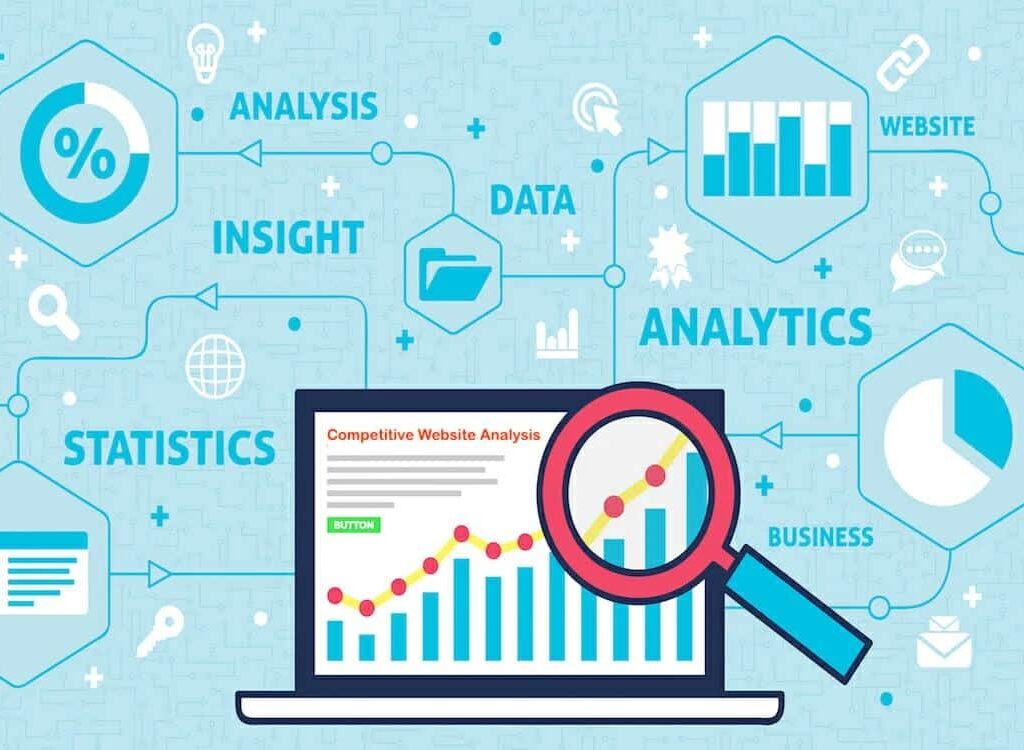
SEO Analytics:

SEO Analytics: Measuring Success
In the dynamic world of digital marketing, SEO analytics plays a pivotal role in understanding the effectiveness of your search engine optimization efforts. It involves collecting and analyzing data related to your website’s performance in search engine results, user engagement, and various key performance indicators (KPIs). Measuring success through SEO analytics provides valuable insights that enable informed decision-making and ongoing optimization. Here’s a detailed exploration of the components involved in SEO analytics and how they contribute to gauging success:
- Traffic Sources:
SEO analytics begins with examining the sources of traffic to your website. It helps identify how users are finding your site—whether through organic search results, paid advertisements, social media, or other channels. A significant increase in organic traffic indicates the success of your SEO efforts. - Keyword Performance:
Monitoring the performance of targeted keywords is fundamental to SEO analytics. Identify the keywords that are driving traffic to your site and assess their rankings over time. Successful SEO often involves optimizing for high-value keywords that align with your business goals. - Ranking Positions:
Track the positions of your web pages in search engine results pages (SERPs) for targeted keywords. Improved rankings signify that your optimization strategies are working effectively. Regularly monitor changes in rankings to identify areas for improvement. - User Behavior:
Analyzing user behavior on your site provides insights into how visitors interact with your content. Metrics such as bounce rate, time on page, and pages per session indicate the quality of user experience. A positive user experience contributes to higher search engine rankings. - Conversion Rates:
SEO is not just about driving traffic; it’s about converting visitors into customers. Track conversion rates for specific actions, such as making a purchase, filling out a form, or signing up for a newsletter. Increased conversion rates indicate the alignment of your content with user intent. - Click-Through Rate (CTR):
CTR is a crucial metric that measures the percentage of users who click on your website link from the total number of impressions. A higher CTR indicates that your content is compelling and relevant to users, contributing to improved search rankings. - Backlink Analysis:
Backlinks are essential for SEO success. Analyze the quantity and quality of backlinks to your site. A diverse and authoritative link profile can positively impact search engine rankings. Conversely, identifying and addressing toxic backlinks is crucial for maintaining a healthy profile. - Page Load Speed:
User experience is closely tied to page load speed. Slow-loading pages can result in higher bounce rates and lower rankings. SEO analytics tools can measure and provide recommendations for improving page load speed, contributing to a better user experience and improved rankings. - Mobile Responsiveness:
With the increasing use of mobile devices, it’s essential to assess your website’s mobile responsiveness. Search engines prioritize mobile-friendly websites. Ensure that your site provides a seamless experience across various devices, contributing to better rankings. - Competitor Analysis:
Benchmark your performance against competitors. Analyzing their strategies, keyword rankings, and backlink profiles can provide valuable insights and help you identify opportunities for improvement in your own SEO strategy. - Local SEO Metrics:
For businesses with a local focus, track metrics related to local SEO. This includes local search rankings, Google My Business performance, and customer reviews. Optimizing for local search signals enhances visibility within specific geographic areas. - Sustainable Growth Over Time:
SEO analytics is not just about immediate results; it’s about sustainable growth over time. Regularly monitoring and comparing metrics over months and years allows you to assess the long-term impact of your SEO efforts. - Search Engine Algorithm Updates:
Stay informed about major search engine algorithm updates. Changes in algorithms can impact search rankings. By aligning your SEO strategies with the latest updates, you ensure that your website remains compliant and well-optimized. - ROI Analysis:
Assess the return on investment (ROI) of your SEO efforts. Calculate the revenue generated from organic traffic and compare it with the costs associated with SEO activities. A positive ROI indicates the financial success of your SEO strategy. - Social Media Impact:
While not a direct ranking factor, social media can influence SEO indirectly. Monitor the impact of your social media presence on website traffic and user engagement. Social signals can contribute to increased visibility and brand awareness. - Regular Audits and Assessments:
Conduct regular SEO audits to identify areas for improvement. Assess the effectiveness of on-page and off-page optimization, technical SEO elements, and overall website health. Regular assessments contribute to ongoing refinement and success.
In conclusion, SEO analytics is a comprehensive process that involves tracking and analyzing various metrics to measure the success of your search engine optimization efforts. By leveraging data-driven insights, businesses can make informed decisions, optimize their strategies, and achieve sustained success in the competitive digital landscape. Regular monitoring and adaptation to changing trends contribute to ongoing SEO success and the attainment of business objectives.
SEO Mistakes to Avoid:

Common SEO Mistakes to Avoid:
Search Engine Optimization (SEO) is a dynamic and complex field, and while effective SEO practices can significantly improve a website’s visibility, certain mistakes can hinder its performance. Understanding and avoiding these common SEO mistakes is crucial for achieving sustainable success in the competitive digital landscape. Here’s a detailed exploration of some prevalent SEO mistakes and how to steer clear of them:
- Ignoring Keyword Research:
One of the fundamental mistakes is neglecting thorough keyword research. Identifying relevant and high-value keywords is crucial for optimizing content and attracting the right audience. Use keyword research tools to understand user intent and choose keywords that align with your business objectives. - Neglecting On-Page Optimization:
On-page optimization is essential for telling search engines what your content is about. Neglecting title tags, meta descriptions, header tags, and other on-page elements can hinder search engines’ ability to understand and index your content accurately. Optimize each page for both users and search engines. - Overlooking Mobile Optimization:
With a significant portion of internet users accessing content on mobile devices, neglecting mobile optimization is a critical mistake. Ensure your website is responsive, provides a seamless experience across devices, and complies with mobile-friendly standards set by search engines. - Ignoring Local SEO:
For businesses targeting local audiences, neglecting local SEO is a missed opportunity. Claim and optimize your Google My Business listing, ensure accurate business information across online directories, and solicit positive customer reviews to enhance local visibility. - Duplicating Content:
Duplicate content across pages or websites can lead to confusion for search engines and result in ranking penalties. Ensure that each page offers unique and valuable content. Use canonical tags to indicate the preferred version of a page if duplicate content is unavoidable. - Overlooking Website Speed:
Slow-loading websites can negatively impact user experience and search rankings. Compress images, leverage browser caching, and optimize code to improve website speed. Use tools like Google PageSpeed Insights to identify and address speed-related issues. - Ignoring User Experience (UX):
User experience is a crucial ranking factor. A website that is difficult to navigate, has unclear calls-to-action, or lacks engaging content may experience higher bounce rates. Prioritize a positive UX by creating intuitive navigation, compelling content, and clear conversion paths. - Neglecting Technical SEO:
Technical SEO issues, such as broken links, crawl errors, and improper redirects, can hinder search engine crawlers’ ability to index your site. Regularly audit your website for technical issues and address them promptly to maintain optimal performance. - Not Optimizing Images:
Images contribute to user engagement, but they can also slow down page load times if not optimized. Compress images, use descriptive file names, and include alt text to enhance both user experience and search engine visibility. - Underestimating the Importance of Backlinks:
Backlinks from reputable sources are crucial for building authority and trust. However, acquiring low-quality or spammy backlinks can harm your website’s reputation. Focus on earning high-quality, relevant backlinks through content excellence and outreach efforts. - Ignoring Analytics Data:
Not leveraging analytics tools to monitor website performance is a common oversight. Regularly analyze data related to traffic, user behavior, and conversions. Use these insights to refine your SEO strategies and address areas that need improvement. - Inconsistent Content Creation:
Inconsistent or sporadic content creation can hinder SEO efforts. Develop a content strategy with a consistent publishing schedule. Regularly update and refresh existing content to keep it relevant and valuable. - Overlooking HTTPS Security:
Secure websites with HTTPS encryption are favored by search engines. Neglecting to implement HTTPS can lead to security warnings for users and potential ranking penalties. Secure your website with an SSL certificate to ensure a safe browsing experience. - Failing to Optimize for Local Searches:
Businesses with a local focus should optimize for local searches. Neglecting location-based keywords, local citations, and Google Maps optimization can limit visibility in local search results. - Forgetting About Social Signals:
While not a direct ranking factor, social signals can impact SEO indirectly. Neglecting social media presence can result in missed opportunities for brand exposure and audience engagement. Share content on social platforms to amplify its reach. - Ignoring Schema Markup:
Implementing schema markup provides additional information to search engines, enhancing the understanding of your content. It can result in rich snippets and improved visibility in search results. - Overlooking Page Quality and Relevance:
Focusing solely on quantity over quality when creating content is a mistake. Each page should offer valuable and relevant information to users. Prioritize content that satisfies user intent and addresses their queries comprehensively. - Relying Solely on Paid Advertising:
While paid advertising can drive immediate traffic, relying solely on it without investing in organic SEO can limit long-term sustainability. A well-rounded strategy that includes both paid and organic efforts yields better results. - Ignoring Voice Search Optimization:
With the rise of voice-activated devices, neglecting voice search optimization is a missed opportunity. Adapt your content to address natural language queries and conversational search patterns. - Lack of Regular SEO Audits:
SEO is an ongoing process, and neglecting regular audits can result in missed opportunities for improvement. Conduct comprehensive SEO audits periodically to identify issues, assess performance, and adapt strategies based on evolving trends.
In conclusion, avoiding these common SEO mistakes is essential for building a strong and sustainable online presence. Regularly reassess your SEO strategies, stay informed about industry trends, and adapt to the evolving landscape to ensure long-term success in search engine rankings and user engagement.

Competing with Larger Businesses through SEO:

Competing with Larger Businesses through SEO:
In the digital realm, the challenge of competing with larger businesses, which often have more resources and established online presence, can seem daunting for smaller enterprises. However, a strategic and well-executed SEO approach can level the playing field and enable smaller businesses to not only compete but thrive. Here’s a detailed exploration of how smaller businesses can effectively compete with larger counterparts through SEO:

- Niche Focus:
Smaller businesses can carve out a niche by focusing on specific products, services, or local markets. Tailor your SEO strategy to target niche keywords relevant to your business, providing a specialized and targeted approach that larger competitors might overlook. - Local SEO Advantage:
Leverage the power of local SEO. Many small businesses serve specific geographic areas, and optimizing for local searches can significantly boost visibility. Ensure accurate business information on Google My Business, local directories, and encourage positive customer reviews to enhance local SEO. - Long-Tail Keywords:
Larger businesses often target broad, high-competition keywords. Smaller businesses can gain an edge by focusing on long-tail keywords—more specific and less competitive phrases that are highly relevant to your offerings. This strategy attracts users with specific intent, increasing the likelihood of conversion. - Quality Content Creation:
Invest in creating high-quality, valuable content. Smaller businesses can excel in delivering personalized, insightful content that addresses the unique needs of their target audience. Consistent and relevant content creation establishes authority and attracts organic traffic. - User-Centric Website Design:
Ensure your website is user-friendly, intuitive, and offers a positive experience. Smaller businesses can often adapt more quickly to user feedback, making adjustments that enhance the overall user experience. This includes mobile optimization, clear navigation, and fast loading times. - Social Media Engagement:
Actively engage with your audience on social media platforms. While larger businesses may have extensive social media teams, smaller businesses can leverage their agility to build authentic connections with customers. Regular updates, engagement, and community-building contribute to brand visibility. - Strategic Link Building:
Implement a strategic link-building strategy. While larger businesses may have more links by virtue of their size, smaller businesses can focus on building high-quality, relevant backlinks. Cultivate relationships with influencers, partners, and local organizations to strengthen your link profile. - Customer Reviews and Testimonials:
Encourage and showcase positive customer reviews. The credibility gained from authentic customer testimonials can play a pivotal role in decision-making. Smaller businesses can excel in personalized customer interactions, leading to positive reviews that enhance trust and reputation. - Agile Adaptation:
Smaller businesses are often more agile and can adapt quickly to changes in the SEO landscape. Stay informed about industry trends, algorithm updates, and evolving consumer behaviors. Swift adaptation to emerging opportunities can give smaller businesses a competitive edge. - Focus on User Intent:
Understand the intent behind user searches. Smaller businesses can tailor their content to meet specific user needs, providing comprehensive and relevant solutions. Align your SEO strategy with a deep understanding of your audience’s preferences and search behavior. - Strategic Paid Advertising:
While SEO is crucial for organic visibility, consider strategic paid advertising. Smaller businesses can benefit from targeted paid campaigns that supplement their organic efforts, ensuring visibility in key search results. - Data-Driven Decision-Making:
Utilize data analytics to inform your SEO strategy. Smaller businesses can leverage analytics tools to gain insights into user behavior, popular content, and conversion pathways. Data-driven decision-making ensures optimization efforts are aligned with actual user needs. - Competitor Analysis:
Regularly analyze the SEO strategies of larger competitors. Identify areas where you can differentiate and capitalize on opportunities they may have overlooked. This strategic analysis can guide your approach to content creation, keywords, and overall online positioning. - Build an Email List:
Invest in building an email list. Smaller businesses can foster direct communication with their audience through email marketing. Provide valuable content, promotions, and personalized offers to nurture a loyal customer base. - Mobile Optimization:
Prioritize mobile optimization. With a growing number of users accessing the internet via mobile devices, a mobile-friendly website is essential. Ensure that your website offers a seamless experience across smartphones and tablets. - Local Partnerships and Collaborations:
Forge partnerships with local businesses or relevant industry players. Collaborative efforts can lead to shared audiences, cross-promotion, and increased visibility. Local partnerships can enhance your standing in the community and online. - Educational Content:
Position your business as an industry expert by creating educational content. Smaller businesses can excel in providing in-depth guides, tutorials, and resources that address common pain points within their niche. This establishes authority and attracts a dedicated audience. - Continuous Improvement:
Embrace a mindset of continuous improvement. Smaller businesses can use agility to their advantage by regularly evaluating and refining their SEO strategies. Stay responsive to user feedback, monitor performance metrics, and adapt to changing market dynamics.
SEO Tips for Online Businesses:

SEO Tips for Online Businesses:
Search Engine Optimization (SEO) is a critical component of online success, and for online businesses, a well-executed SEO strategy is paramount. Here’s a detailed guide with essential SEO tips tailored for online businesses to enhance visibility, attract organic traffic, and drive conversions:
- Thorough Keyword Research:
Conduct comprehensive keyword research to identify terms relevant to your products or services. Use tools like Google Keyword Planner to find high-volume, low-competition keywords that align with your business objectives. - Optimize Product Pages:
Each product page should be optimized for a specific set of target keywords. Ensure that product titles, descriptions, and meta tags are compelling, relevant, and include the identified keywords. Use high-quality images and provide detailed product information. - User-Friendly Website Design:
Design your website with the user in mind. Ensure easy navigation, clear calls-to-action, and a seamless browsing experience. A user-friendly website not only enhances customer satisfaction but also contributes to better search engine rankings. - Mobile Optimization:
Given the increasing use of mobile devices, optimize your website for mobile responsiveness. Google prioritizes mobile-friendly sites, and a positive mobile experience is crucial for both SEO and user satisfaction. - Create High-Quality Content:
Develop engaging and informative content that adds value to your audience. Regularly publish blog posts, articles, and guides related to your industry. Content should be well-researched, original, and crafted to meet user intent. - Optimize Product Images:
Optimize product images by using descriptive file names, adding alt text, and compressing images without compromising quality. This not only improves user experience but also contributes to image search optimization. - Improve Page Load Speed:
Fast-loading pages are essential for both user satisfaction and SEO. Optimize images, leverage browser caching, and use content delivery networks (CDNs) to improve page load speed. Google considers page speed as a ranking factor. - Secure Your Website with HTTPS:
Implement SSL encryption to secure your website with HTTPS. Secure websites instill trust in users and are favored by search engines. Google uses HTTPS as a ranking signal, so it’s essential for both security and SEO. - Utilize Schema Markup:
Implement schema markup to provide search engines with additional context about your content. This can lead to rich snippets in search results, making your listings more attractive and informative. - Leverage Customer Reviews:
Encourage customers to leave reviews on your website and external review platforms. Positive reviews can enhance your online reputation and contribute to local SEO. Responding to reviews also demonstrates engagement and customer care. - Optimize for Local SEO:
If your online business serves specific locations, optimize for local SEO. Claim and complete your Google My Business listing, ensure accurate business information, and actively seek positive local reviews. - Strategic Internal Linking:
Implement strategic internal linking to guide users to relevant pages within your site. This not only enhances user experience but also helps search engines understand the structure and hierarchy of your content. - Build Quality Backlinks:
Earn high-quality backlinks from reputable websites within your industry. Focus on natural link-building strategies, such as creating shareable content, guest posting, and building relationships with influencers. - Utilize Social Media:
Integrate social media into your online strategy. Share your content on social platforms to increase visibility and encourage social sharing. While social signals may not directly impact SEO, a strong social presence can indirectly contribute to online success. - Optimize for Voice Search:
With the rise of voice-activated devices, optimize your content for voice search. Focus on natural language and long-tail keywords that align with how users speak their queries. - Regularly Update Content:
Keep your website content fresh and relevant by regularly updating and adding new content. Google favors websites that demonstrate ongoing activity and provide up-to-date information. - Utilize SEO Analytics:
Implement analytics tools like Google Analytics to monitor website performance. Track key metrics, user behavior, and conversion rates. Use these insights to refine your SEO strategy and identify areas for improvement. - Stay Informed About SEO Trends:
SEO is an ever-evolving field. Stay informed about industry trends, algorithm updates, and emerging technologies. Adapt your strategy to align with the latest developments in the SEO landscape. - Implement E-commerce SEO Best Practices:
If you run an e-commerce store, follow e-commerce SEO best practices. This includes optimizing product pages, creating unique product descriptions, and providing a secure and streamlined checkout process. - Focus on Customer Experience:
Prioritize customer experience in all aspects of your online business. Satisfied customers are more likely to engage, convert, and become repeat buyers, contributing to positive user signals that benefit SEO.
By incorporating these SEO tips into your online business strategy, you can enhance your website’s visibility, attract targeted traffic, and ultimately achieve sustainable online success. Regularly assess and adapt your SEO efforts to stay ahead in the dynamic digital landscape.

SEO Transforming Small Businesses in Pakistan

Search Engine Optimization (SEO) can indeed play a crucial role in transforming small businesses in Pakistan, as it can enhance online visibility, drive organic traffic, and ultimately lead to increased sales and brand recognition. Here are some key aspects of how SEO can impact small businesses in Pakistan:
- Increased Online Visibility:
- SEO involves optimizing a website’s content, structure, and meta tags to make it more accessible and attractive to search engines. This helps in improving the website’s search engine rankings, leading to increased visibility when potential customers search for relevant products or services.
- Targeted Traffic:
- SEO focuses on optimizing for specific keywords relevant to a business. This means that the traffic generated through SEO efforts is often highly targeted, consisting of users actively searching for products or services that the business offers. This can result in higher conversion rates.
- Local SEO for Small Businesses:
- For small businesses operating in specific geographic locations, local SEO is crucial. Optimizing for local search terms and creating a Google My Business profile helps businesses appear in local search results, especially important for attracting nearby customers.
- Cost-Effective Marketing:
- Compared to traditional advertising methods, SEO is often more cost-effective. While there may be initial costs associated with hiring SEO experts or implementing strategies, the long-term benefits can outweigh the expenses. Organic traffic generated through SEO doesn’t incur ongoing costs per click, as is the case with paid advertising.
- Establishing Credibility and Trust:
- Websites that appear on the first page of search engine results are generally perceived as more credible and trustworthy by users. By investing in SEO, small businesses can improve their online reputation and build trust among potential customers.
- Competing with Larger Businesses:
- SEO can level the playing field for small businesses competing with larger enterprises. Even with a smaller marketing budget, a well-optimized website can rank competitively in search results, allowing smaller businesses to reach a wider audience.
- Mobile Optimization:
- With the increasing use of smartphones in Pakistan, optimizing for mobile search is crucial. SEO strategies that focus on mobile responsiveness and fast page loading times can improve the user experience, leading to better search rankings.
- Social Media Integration:
- SEO and social media often go hand in hand. Integrating social media strategies with SEO efforts can amplify a small business’s online presence. Social signals, such as likes and shares, can indirectly impact search rankings.
- Analytics and Data-Driven Decisions:
- SEO tools provide valuable insights into website performance and user behavior. Small businesses can use analytics data to make informed decisions, refine their strategies, and continuously improve their online presence.
In summary, SEO is a powerful tool that can transform small businesses in Pakistan by enhancing online visibility, attracting targeted traffic, and providing a cost-effective means of marketing. However, it’s essential for businesses to stay updated on SEO best practices and adapt to changes in search engine algorithms to maintain and improve their online presence over time.

Top Benefits of SEO:

Search Engine Optimization (SEO) offers numerous benefits for businesses looking to establish a strong online presence. Here are some detailed explanations of the top benefits of SEO:
- Increased Visibility and Traffic:
- SEO aims to improve a website’s visibility on search engines. When your website ranks higher in search results, it is more likely to be seen by users searching for relevant products or services. Increased visibility leads to more organic traffic.
- Higher Credibility and Trust:
- Websites that appear at the top of search results are often perceived as more credible and trustworthy by users. SEO helps build a positive online reputation, contributing to increased trust among potential customers.
- Better User Experience:
- SEO involves optimizing the structure and content of a website to enhance user experience. Improved navigation, faster load times, and relevant content contribute to a positive user experience, which can lead to higher engagement and conversions.
- Targeted Audience Reach:
- SEO allows businesses to target specific keywords relevant to their products or services. This ensures that the audience reached through organic search is more likely to be interested in what the business offers, resulting in higher conversion rates.
- Cost-Effectiveness:
- Compared to traditional advertising, SEO is a cost-effective marketing strategy. Once a website is optimized, ongoing costs are relatively low, especially when compared to paid advertising models that require continuous investment.
- Long-Term Results:
- While it may take time to see the full impact, the results of SEO are generally long-lasting. Unlike paid advertising, where visibility stops once the budget is exhausted, organic search traffic continues over time.
- Local Business Growth:
- Local SEO strategies help small businesses target a local audience. Optimizing for location-based keywords and creating a Google My Business profile can significantly improve visibility in local search results.
- Insights through Analytics:
- SEO tools provide valuable data and insights into website performance. Analyzing this data allows businesses to understand user behavior, track the effectiveness of marketing strategies, and make informed decisions to improve their online presence.
- Adaptability to Market Changes:
- SEO is adaptable to changes in the market and search engine algorithms. Staying updated with industry trends and algorithm changes allows businesses to adjust their strategies to maintain or improve their search rankings.
- Mobile Optimization:
- With the increasing use of mobile devices, SEO emphasizes mobile optimization. Websites that are mobile-friendly rank higher in mobile search results, ensuring a positive experience for users on smartphones and tablets.
- Competitive Advantage:
- Businesses that invest in SEO gain a competitive advantage over those that do not. Ranking higher than competitors in search results can lead to capturing a larger share of the market and attracting more customers.
- Brand Awareness:
- SEO contributes to increased brand visibility. When a website appears in top search results consistently, it helps users become familiar with the brand, even if they don’t click on the link immediately.
- Social Media Integration:
- SEO and social media strategies often complement each other. Social signals (likes, shares, etc.) contribute indirectly to search engine rankings, enhancing overall online visibility and brand reach.
- Global Reach for E-commerce:
- For businesses engaged in e-commerce, SEO can facilitate global reach. Optimizing for international search terms and implementing multilingual SEO strategies can attract a diverse audience.
- Measurable Results:
- SEO efforts can be measured and analyzed using various tools. Metrics such as traffic, conversion rates, and keyword rankings provide tangible data to assess the effectiveness of SEO strategies.
In conclusion, the benefits of SEO extend beyond just rankings, encompassing increased visibility, trust, and user satisfaction, making it an integral part of a comprehensive digital marketing strategy for businesses of all sizes.
AA Digital 360′ SEO Guide:
AA Digital 360′ SEO Guide: Unleashing the Power of Search Engine Optimization
In the vast digital landscape, where visibility is key to success, mastering the art of Search Engine Optimization (SEO) becomes paramount. AA Digital 360, a leading digital marketing agency based in Lahore, Pakistan, has curated an insightful SEO guide to help businesses enhance their online visibility, climb search engine rankings, and drive organic traffic. In this guide, we’ll unravel the essential strategies and best practices advocated by AA Digital 360, empowering you to optimize your digital presence effectively.
I. Understanding the Basics of SEO:
- Keyword Research: Begin by identifying relevant keywords related to your business. AA Digital 360 emphasizes the importance of choosing keywords that align with user intent and have moderate to high search volumes.
- On-Page SEO: Learn the art of on-page optimization. This involves optimizing meta tags, headers, and content for target keywords. AA Digital 360 guides you on crafting SEO-friendly URLs and compelling meta descriptions that attract clicks.
- Quality Content Creation: Content is the backbone of SEO. AA Digital 360 stresses the significance of creating high-quality, informative, and engaging content that resonates with your target audience and keeps them coming back for more.
II. Technical SEO Excellence:
- Website Speed Optimization: Page loading speed is a critical factor. AA Digital 360 explains how optimizing images, leveraging browser caching, and minimizing unnecessary scripts can enhance your website’s speed, positively impacting user experience and SEO.
- Mobile-Friendly Design: In the era of mobile dominance, a mobile-friendly website is non-negotiable. AA Digital 360 guides you through responsive design principles, ensuring your site looks and performs seamlessly across various devices.
- Effective URL Structure: URL structure influences both user experience and search engine crawlers. Learn from AA Digital 360 how to create clean, descriptive URLs that contribute to better visibility and understanding of your content.
III. Off-Page SEO Strategies:
- Link Building Tactics: AA Digital 360 explores the art of link building, emphasizing the importance of acquiring high-quality backlinks. Understand how strategic link-building efforts can establish your website’s authority and credibility in the eyes of search engines.
- Social Media Integration: Social signals play a role in SEO. AA Digital 360 demonstrates how integrating social media into your online strategy can amplify your reach, foster engagement, and indirectly impact your search engine rankings.
- Online Reputation Management: Your online reputation matters. AA Digital 360 provides insights on monitoring and managing your online reputation, guiding you on responding to reviews, addressing concerns, and building a positive digital image.
IV. SEO Analytics and Measurement:
- Implementing Google Analytics:
Dive into the world of analytics with AA Digital 360. Learn how to set up and utilize Google Analytics to track website traffic, user behavior, and other valuable insights that inform your SEO strategy. - Conversion Tracking:
SEO success extends beyond traffic. AA Digital 360 delves into the importance of setting up conversion tracking, enabling you to measure the effectiveness of your SEO efforts in terms of desired actions such as form submissions or product purchases. - Regular SEO Audits:
AA Digital 360 advocates for regular SEO audits to identify areas of improvement. Understand the key elements to review, from technical issues to content performance, ensuring your website stays optimized and competitive.
V. Local SEO Optimization:
- Google My Business (GMB) Optimization: Local businesses benefit greatly from GMB optimization. AA Digital 360 guides you on claiming and optimizing your GMB listing, ensuring accurate business information, and enhancing your visibility in local search results.
- Local Citations and Reviews:
Building local citations and encouraging positive reviews are crucial for local SEO. AA Digital 360 provides strategies for acquiring citations on relevant platforms and cultivating a positive online reputation within your community. - Geo-Targeted Content Creation: Tailor your content to local audiences. Learn from AA Digital 360 how to create geo-targeted content that speaks directly to the needs and interests of your local customer base, boosting your relevance in local searches.
VI. E-Commerce SEO Strategies:
- Optimizing Product Pages:
E-commerce sites have unique SEO challenges. AA Digital 360 shares insights on optimizing product pages, including the importance of compelling product descriptions, high-quality images, and clear calls-to-action. - Structured Data Markup: Enhance the visibility of your products in search results with structured data markup. AA Digital 360 explains the importance of schema markup and provides guidance on implementing it for e-commerce SEO benefits.
- User Experience and Navigation: User experience is a ranking factor. AA Digital 360 explores the optimization of your e-commerce site’s navigation, ensuring a seamless and user-friendly experience that encourages visitors to explore and convert.
VII. Staying Ahead with SEO Trends:
- Voice Search Optimization: As voice search continues to rise, AA Digital 360 discusses strategies for optimizing your content to cater to voice queries, ensuring your website remains relevant in the evolving search landscape.
- Featured Snippets and Position Zero: Understand the significance of featured snippets and position zero. AA Digital 360 provides tips on structuring your content to increase the chances of securing these coveted spots in search engine results.
- Core Web Vitals and Page Experience Update: Stay abreast of Google’s page experience update. AA Digital 360 sheds light on Core Web Vitals and provides guidance on optimizing your website for a positive user experience, aligning with Google’s evolving ranking factors.
In the digital age, where visibility can make or break a business, AA Digital 360’s SEO guide serves as a valuable compass, navigating you through the intricacies of search engine optimization. From foundational principles to advanced strategies, this guide empowers you to elevate your online presence, climb the search rankings, and ultimately thrive in the competitive digital landscape.

Local SEO Strategies: Dominating the Lahore Market
When it comes to dominating the Lahore market, implementing effective local SEO strategies is crucial. Whether you have a small business or a large corporation, optimizing your online presence for local search is essential for attracting customers in Lahore.
Here are some proven local SEO strategies that can help you establish a strong presence in the Lahore market:
1. Optimize your Google My Business listing
One of the first steps in local SEO is to claim and optimize your Google My Business (GMB) listing. Make sure your GMB profile is complete and accurate, including your business name, address, phone number, and website URL. Add relevant keywords to your business description and regularly update your GMB listing with new photos and posts.
2. Use local keywords in your website content
To rank higher in local search results, it’s important to include relevant local keywords in your website content. Conduct keyword research to identify the most commonly searched terms in Lahore and incorporate them naturally into your website’s meta tags, headings, and body content.
3. Create location-specific landing pages
If your business has multiple locations in Lahore, create separate landing pages for each location. Optimize these pages with location-specific keywords, business hours, contact information, and customer reviews. This will not only help you rank higher in local search results but also provide a better user experience for visitors searching for businesses in specific areas of Lahore.
4. Get listed in online directories
Submit your business information to popular online directories and review platforms such as Yelp, Yellow Pages, and Tripadvisor. Ensure that your NAP (name, address, phone number) details are consistent across all directories. These listings not only provide valuable backlinks to your website but also improve your online visibility and credibility.
5. Encourage online reviews
Positive online reviews can significantly impact your local SEO rankings. Encourage your satisfied customers to leave reviews on platforms like Google, Facebook, and Yelp. Respond to both positive and negative reviews professionally to show that you value customer feedback. These reviews not only improve your search visibility but also influence potential customers’ decision-making process.
6. Utilize social media platforms
Social media platforms like Facebook, Instagram, and Twitter can play a crucial role in local SEO. Create engaging content, interact with your audience, and promote your business on these platforms. Encourage your followers to share your content and leave reviews. Engaging with your audience on social media can help increase your online visibility and attract more customers in Lahore.
By implementing these local SEO strategies, you can effectively dominate the Lahore market and attract more customers to your business. Remember to regularly track your SEO performance, make necessary adjustments, and stay up-to-date with the latest local search trends.